
10 Animals Without Brain
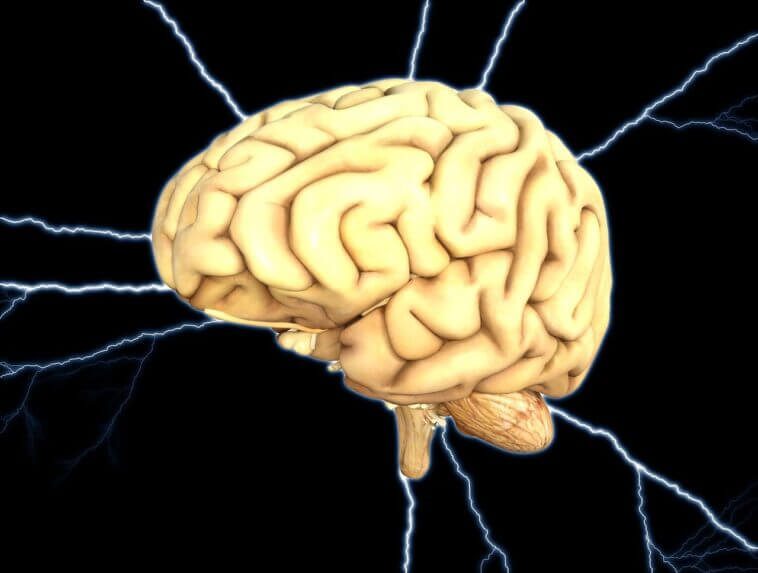
When we think of animals, we often assume a brain is essential for survival, but nature has many surprises. Some creatures thrive without a brain, relying instead on simple nerve networks, reflexes, or decentralized systems to function. In this guide to the top 10 animals without a brain, we explore how these unique organisms survive and why they continue to fascinate scientists and nature lovers alike.
The heart and brain are the most important parts of the human body, without which none of the living beings exist, as we think. But it is not the whole truth, for God has created some animals on these planets that don’t need a Brain to survive and are very different from other creatures. Each creature on earth has different sizes, shapes, colors, and also different forms of breathing, reproduction, and digestion.
Top 10 Animals Living Without a Brain
Every living creature has special qualities that make it unique and wonderful. You will be surprised to learn that some animals in the world do not need a brain to survive. These animals may lack complex thinking, yet they can move, feed, reproduce, and respond to their environment remarkably well.
1. Salamanders
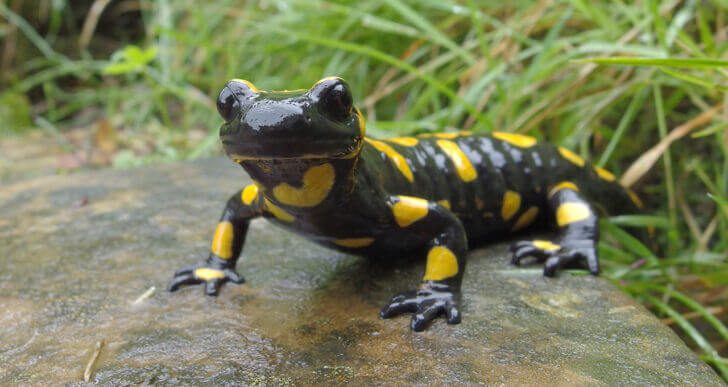
Salamanders are one of those Animals that don’t need a Brain to survive. These are amphibians that resemble a lizard. They are found mainly in various parts of the Northern Hemisphere. They have two types of sensory organs: the olfactory epithelium, which detects odor, and the vomeronasal organs, which detect chemicals. Salamanders can see mainly at night. These animals don’t have a nervous system like those of other living beings, but they have some organs that act like a brain that help them detect odors and catch their food.
2. Sea Star

A Sea Star is a star-shaped fish found at the bottom of the ocean. This fish has a central disc and five arms. They don’t have a defined nervous system. They are very sensitive to light, orientation, and temperature. Tubular legs help the starfish know the different types of odors. He has a nerve ring and a radial nerve. Starfish perform multiple tasks simultaneously, such as detecting smells and trapping prey.
3. Portuguese Man-O-War
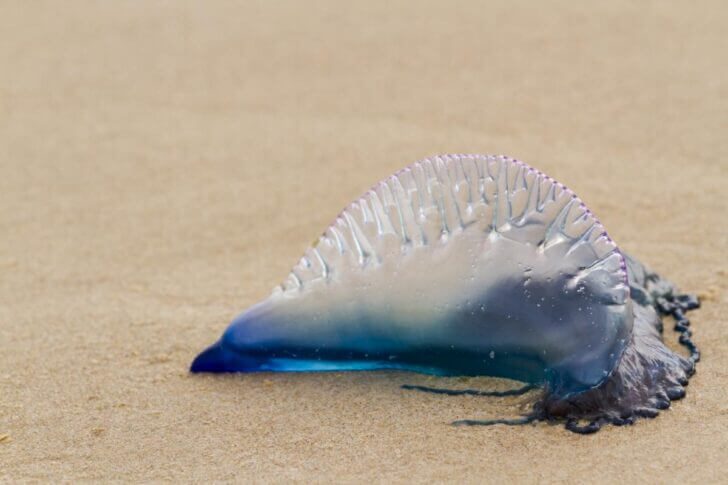
Portuguese Man-O-War is an aquatic, brainless animal found in all the world’s oceans. It is a group of several animal,s but looks like an individual creature. These animals stay together for the rest of their lives. The different animals in this group carry out various activities, such as reproduction, feeding, and many others. These animals have poisonous tentacles that they use to catch their prey.
4. Sea Anemone
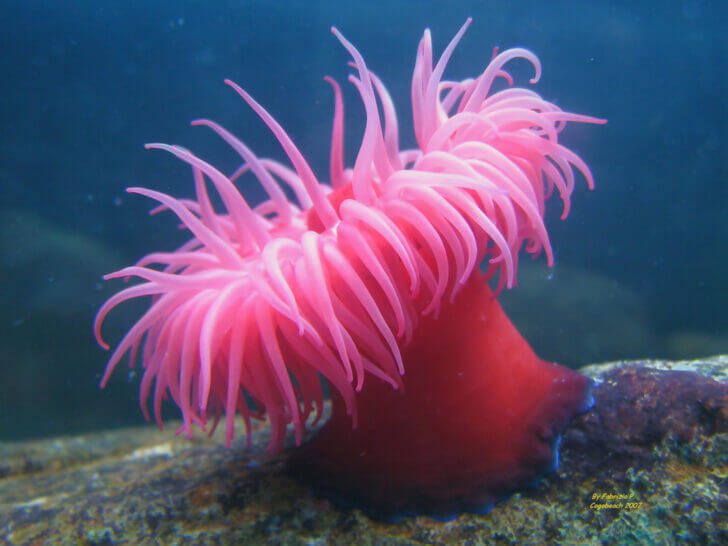
The next aquatic animal on the list of Animals that don’t need a brain to live is the Sea Anemone. They have a beautiful appearance like a flower, and people are often confused when they look at them. Anemone has tentacles containing poison and is used to catch prey.
The sea anemone can change its shape at any time. Sea anemones don’t have brains; they have a nerve network that helps them find food at the bottom of the ocean and on the seabed. He has only one mouth to eat, and he also vomits waste from his body.
5. Sea Urchin
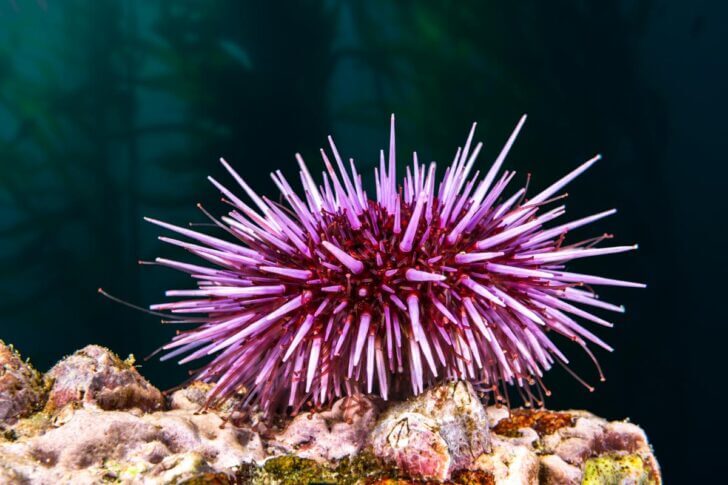
The sea urchin is a small, round marine animal with sharp spines. The sea urchin has no brain, but it has a nerve ring that performs the brain’s functions. Five nerves connect to several other organs in your body. Its body has sharp spines, which are its largest weapons for defending against predators and enemies in the seas and oceans.
6. Frogs
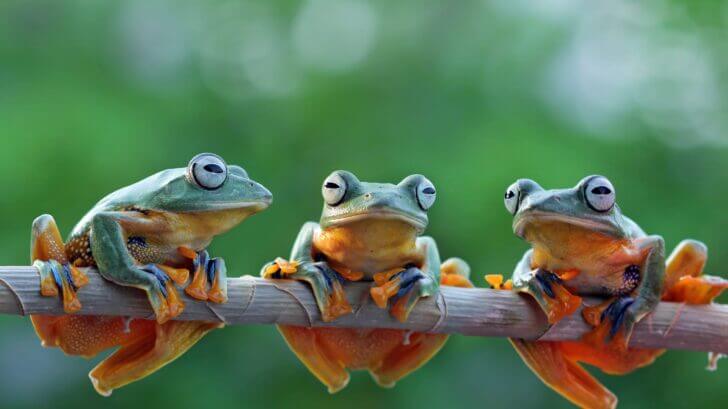
Frogs originated 265 million years ago. They are found in both wet and dry soil. They have brains, spinal cords, and nerves in their nervous system. The functioning of a frog’s brain is similar to that of a man who has two brain hemispheres, two lobes, a cerebellum, and a spinal bulb. Frogs consist of 10 pairs of nerves that help them receive information from outside the brain. It also has 10 other pairs of spinal nerves that transmit information from the brain to the spinal cord.
7. Octopus
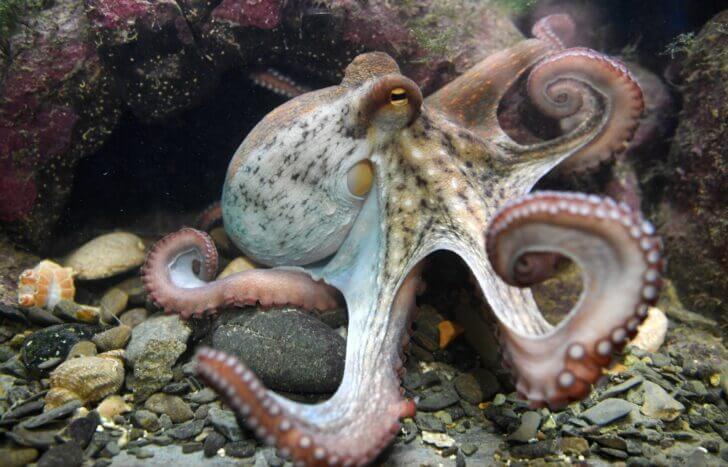
The next aquatic animal on the list is an octopus. It has an acute eye, and its nervous system is a little tricky to understand. These animals are the smartest aquatic animals. Most neurons are present in the nerve cords of their arms. They can easily differentiate between different colors. There are two statolith organs connected to the brain. Their organs inform them of their body’s position. They can even quickly get to know the touch. Sensors protect the octopus from entangling in their arms.
8. Jelly Fish
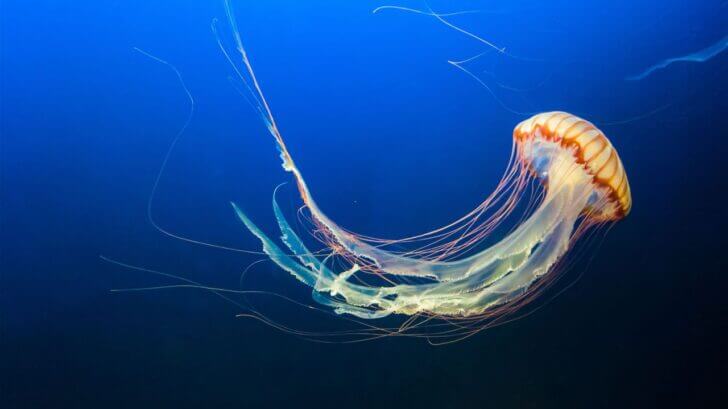
The jellyfish is another marine animal with a bell-shaped umbrella and tentacles. Use its tentacles to protect yourself from enemies. This fish is found in all seas and oceans. They have loose nerves. The nerve network is the most important organ of jellyfish that performs the task of the brain. With the help of a nerve network, the fish can feel and defend itself against predators. When enemies are about to attack this fish, they receive impulses in the nerve net and the circular nerve ring.
9. Sea Cucumber
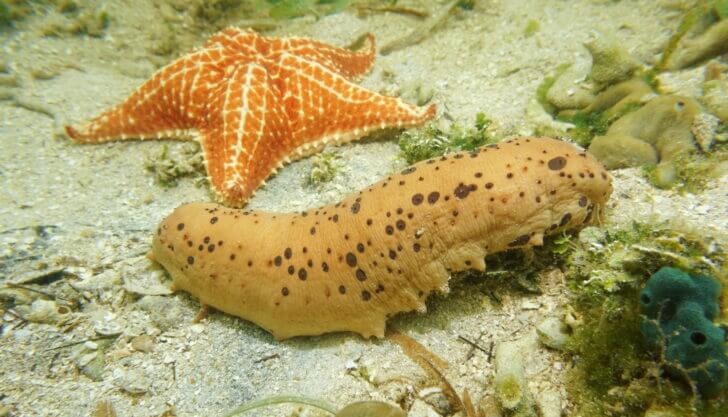
Next on this list is a sea cucumber, which is an aquatic animal. It is a long creature found in all seas and oceans. This animal has no brain; instead, it has neural tissues that send nerves to the tentacles. Even if the nerve ring is removed from the sea cucumber, it can survive, as its function and movements do not depend on the nervous system. Sea cucumbers don’t have sensory organs either. There are many nerve endings in the bodies of these animals that give them the feeling of touch and light.
10. Cockroaches
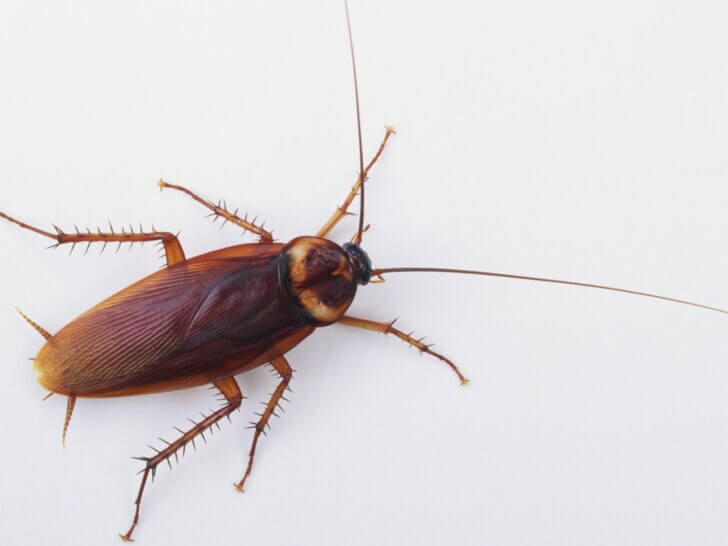
The origin of cockroaches dates back to 320 million years. They are found in almost every country in the world. Cockroaches can survive in both warm and cold temperatures. Due to backup systems, these insects are not required to use their brains. Cockroaches have thick blood that flows slowly through their bodies. These insects are mainly found in wet, humid places, and they are very dirty.
Read More: Top 10 Most Beautiful Moths in The World