Perfume Guide: How to Choose, Wear, and Understand Fragrance
Welcome to your perfume guide. This is where you come when you want straight answers about fragrance. Why does one bottle cost $200 and another $20 when they smell almost the same? Will that Eau de Parfum actually last through your commute? We cover that.
We look at designer houses, niche perfumers, alcohol-free oils for sensitive skin, and colognes that have stayed classics for good reason. Browse a while and you’ll learn what’s actually in the bottle, not just what the ad wants you to believe.
How to Choose the Best Perfume: Parfum vs Eau de Parfum vs Eau de Toilette
Choosing a perfume shouldn’t be about which bottle looks best on a shelf. The real difference is concentration: how much fragrance oil is mixed with alcohol and water. That ratio decides how the scent wears on your skin, how far it carries, and whether you can still smell it at dinner.
You’ll see three main concentrations: Parfum, Eau de Parfum, and Eau de Toilette.
Parfum usually has 20–40% fragrance oil. That’s a lot of scent, so it tends to stay close to the skin instead of filling a room. A couple of dabs can last most of the day. It’s also often easier on sensitive skin because there’s less alcohol.
Eau de Parfum (EDP) is the everyday pick for most people, usually 15–20% oil. It’s strong enough to notice and lasts long enough that you’re not reapplying by lunch, but it won’t take over a meeting room.
Eau de Toilette (EDT) is lighter. You get a bright burst right away, then it fades in a few hours. Good for warm weather, the gym, or anywhere a heavier scent would be too much.
The EDP vs EDT difference comes down to oil concentration. Neither is better than the other. It depends on how strong you want to smell and for how long. For a quick perfume concentration guide, remember: Parfum vs Eau de Parfum is mostly about strength and how close the scent stays to your skin.
Designer vs Niche Perfume vs Dupes: What’s Worth It?
Designer fragrances are built to appeal to a lot of people. The big fashion houses have spent decades refining scents that feel familiar and comfortable. That kind of mass appeal is harder to do well than it looks.
Niche perfumers go the other way. They aren’t trying to please everyone. They’re chasing one specific idea, often built around an unusual ingredient. Small batches and artisanal sourcing mean higher prices. Is niche perfume worth it? If you want something distinct and don’t mind paying for scarcity, yes. If you want broad appeal, designer may be enough.
Then there are dupes. Perfume dupes explained simply: modern houses can break a scent down at the molecular level and rebuild it with the same structure and character, minus the packaging, celebrity endorsement, and markup. That’s not a shortcut. It’s good chemistry. Are perfume dupes safe? Reputable ones use the same cosmetic-grade ingredients as the originals. The difference is branding and price, not safety. You can build a real collection without a luxury budget.
How Fragrance Has Changed Across Generations
Perfume says a lot about the era it came from. Look at the last hundred years and you can trace cultural shifts through what people wanted to smell like.
Vintage fragrances leaned dramatic: aldehydes, powdery florals, mossy chypre bases. They were built to project strength and polish. By the ’90s, that gave way to cleaner, aquatic, often unisex scents. It was a real break from the heavier formulas before them.
Today we’re in a more molecular era: gourmand notes, sugary dessert-like accords, and formulas made with precision older perfumery didn’t have. Knowing where these trends came from makes it easier to understand why a classic smells the way it does, and whether that’s what you actually want.
Latest From the Perfume Blog
Explore the latest blog posts at Top & Trending to find the best perfumes for all generations
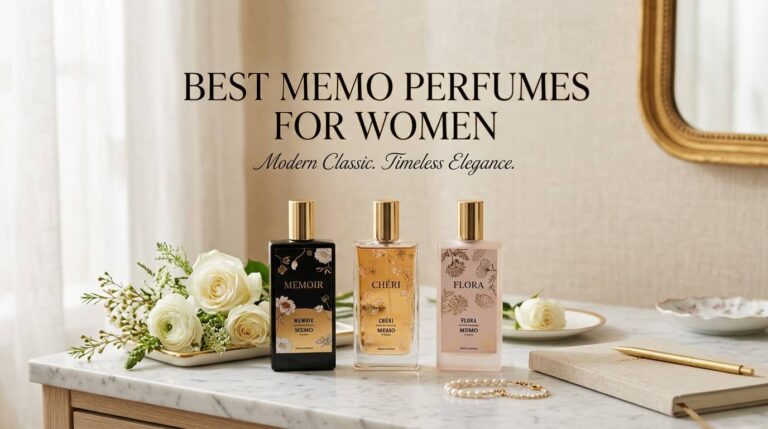
10 Best Memo Perfumes For Women
Memo Paris was founded in 2007 by Clara Molloy and perfumer Alienor Massenet, built around a concept of fragrance as travel each scent named after…
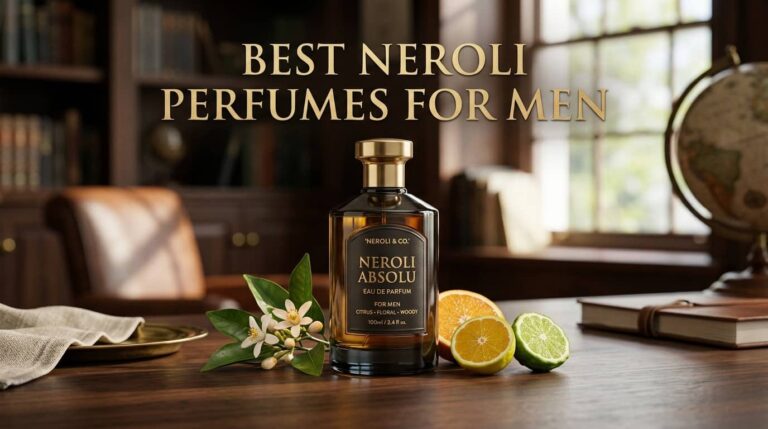
10 Best Neroli Perfumes For Men
Neroli is one of perfumery’s most prized natural materials a floral essential oil steam-distilled from the blossoms of the bitter orange tree, known for its…
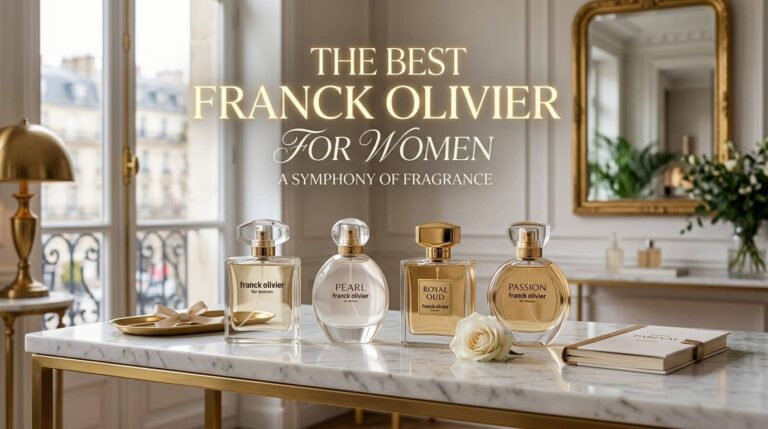
10 Best Franck Olivier Perfumes For Women
Franck Olivier is a French fragrance brand known for accessible, well-composed fruity-floral compositions, launched with its self-titled signature scent in 1998. The brand has since…
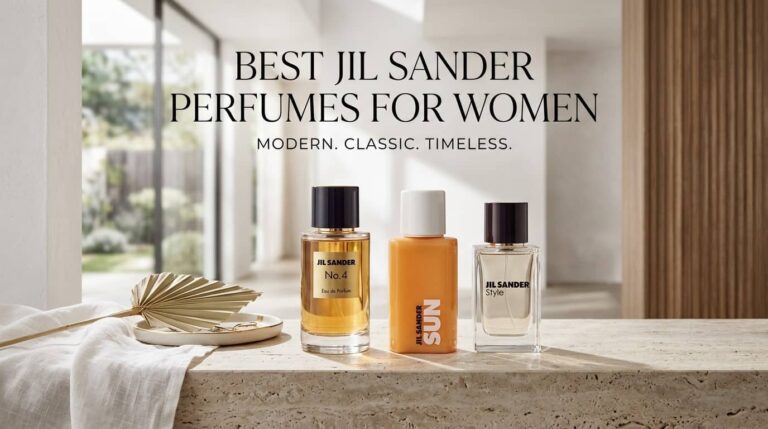
10 Best Jil Sander Perfumes For Women
Jil Sander, the German fashion house founded by designer Heidemarie Jiline “Jil” Sander (with her first boutique opening in 1968 and the fashion house itself…
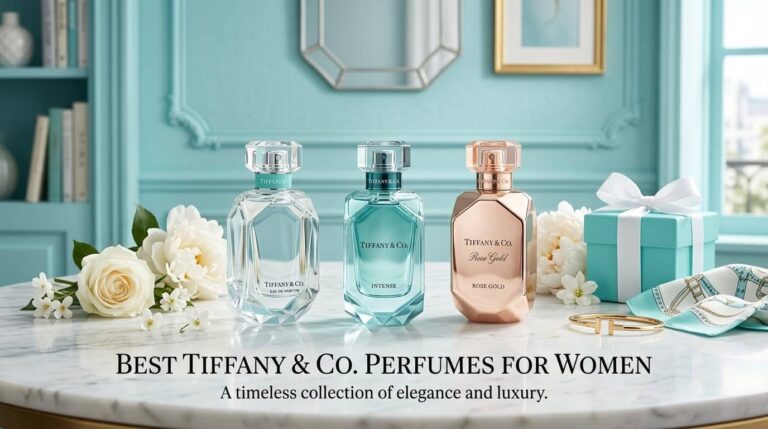
10 Best Tiffany & Co. Perfumes For Women
Tiffany & Co. was founded in New York in 1837 as a stationery and fine goods store, later becoming synonymous with luxury jewelry. The brand…
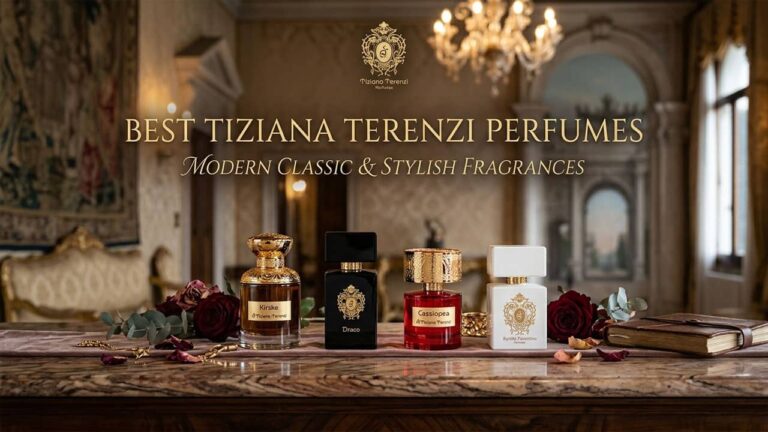
10 Best Tiziana Terenzi Perfumes
Tiziana Terenzi is an Italian fragrance house that began as a candle maker before expanding into perfumery, becoming known for potent, often animalic, high-concentration compositions…
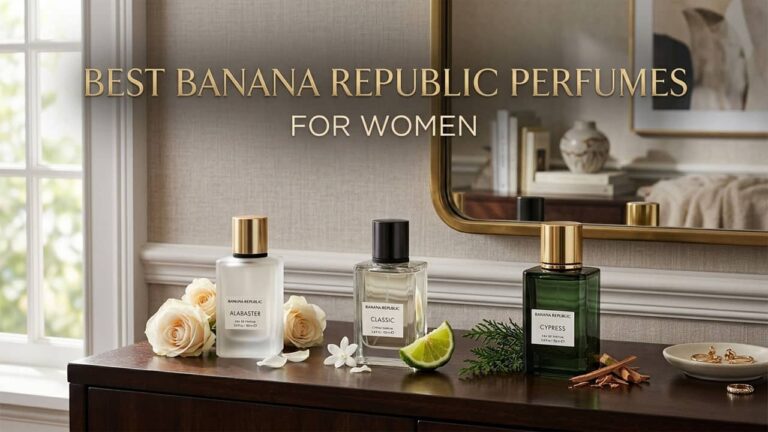
10 Best Banana Republic Perfumes For Women
Banana Republic, the American lifestyle retailer founded in 1978, extended its accessible, easygoing aesthetic into fragrance starting in the 1990s. The resulting catalog favors wearable,…
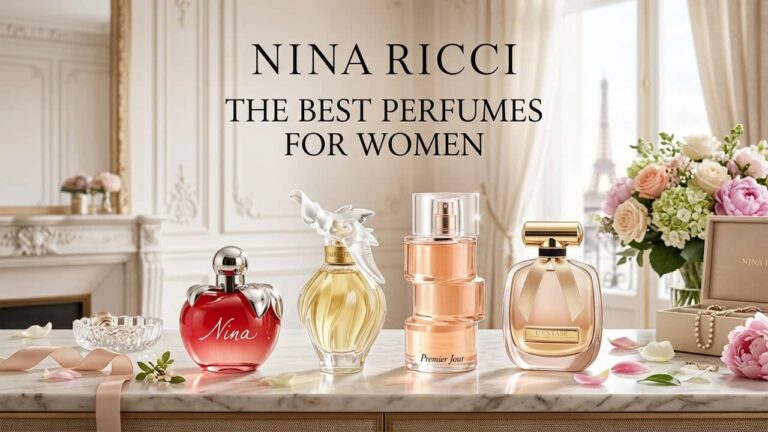
10 Best Nina Ricci Perfumes For Women
Nina Ricci was founded in Paris in 1932 by Maria “Nina” Ricci and her son Robert, building a reputation for romantic, distinctly French femininity that…
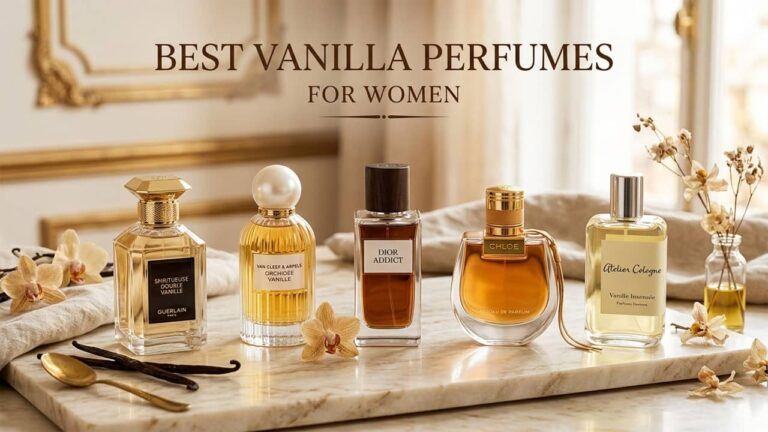
10 Best Vanilla Perfumes For Women
Vanilla is a spice from the orchid family, native to Central America, and one of perfumery’s most enduring ingredients. What makes vanilla so versatile is…
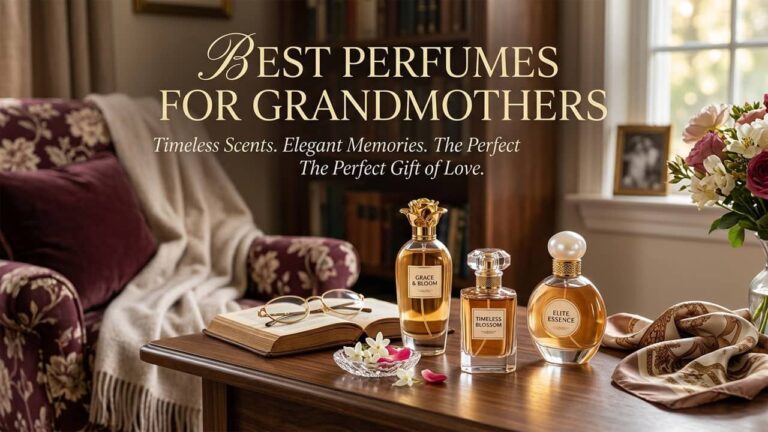
10 Best Perfumes for Grandmothers
Choosing a fragrance as a gift can feel personal in a good way a classic, elegant scent says thoughtfulness without needing to be flashy. The…
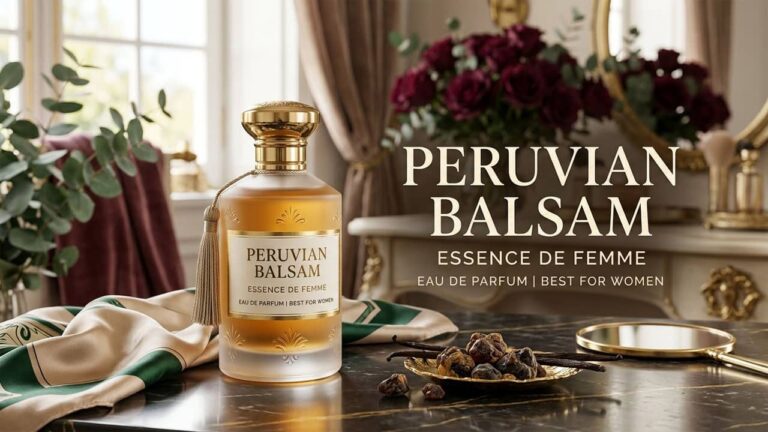
10 Best Peruvian Balsam Perfumes For Women
Peru balsam is a resin sourced from the Myroxylon balsamum tree, prized in perfumery for its warm, sweet, vanilla-like character with a subtle woody, slightly…
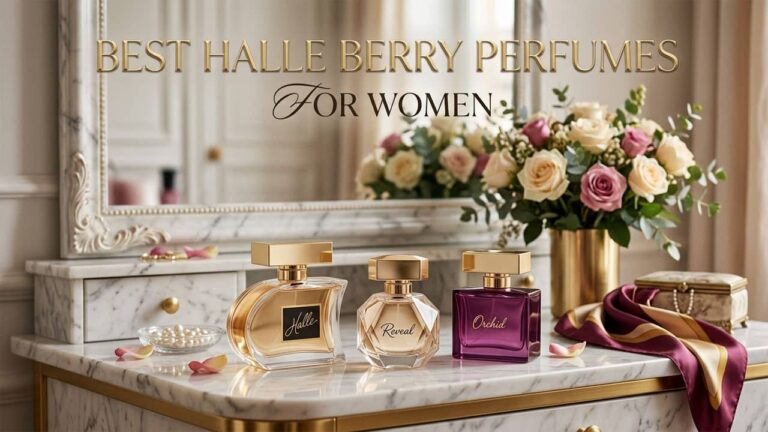
7 Best Halle Berry Perfumes For Women
Academy Award-winning actress Halle Berry launched her fragrance line in 2009 through a licensing partnership with Coty, working with perfumers including Jacques Cavallier Belletrud, Rodrigo…
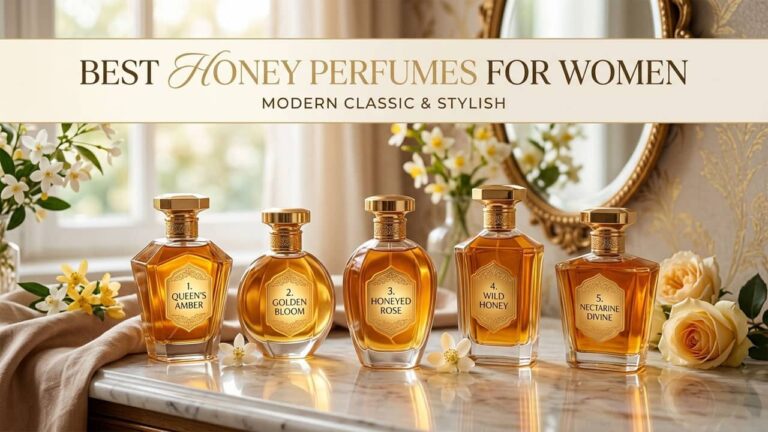
10 Best Honey Perfumes For Women
Honey has become one of perfumery’s most popular trending notes, prized for its warm, natural sweetness and surprising versatility it can read fresh and fruity…
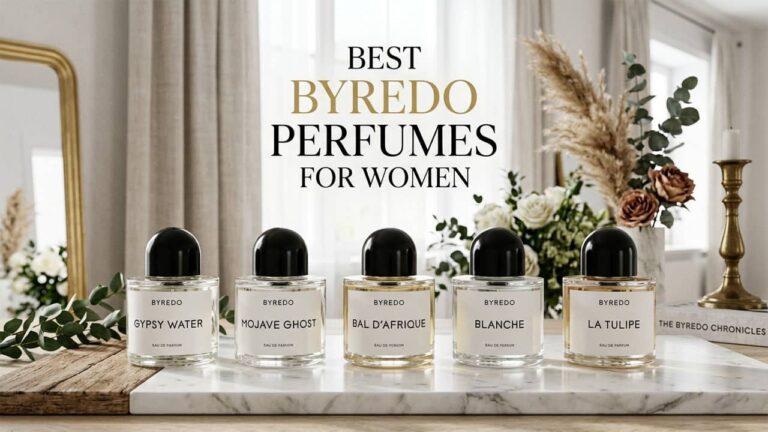
10 Best Byredo Perfumes For Women
Byredo was founded in 2006 in Stockholm by Ben Gorham, building a reputation for minimalist branding and distinctive, often unconventional fragrance compositions. The brand has…
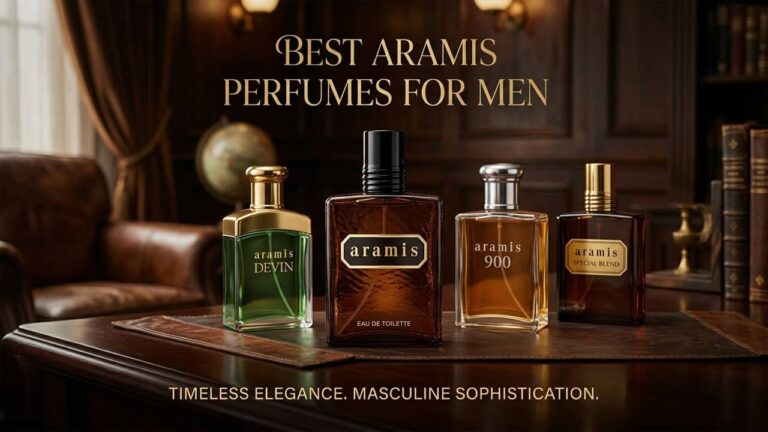
10 Best Aramis Perfumes For Men
Aramis was one of the first brands in the world to create men’s fragrances specifically for sale in major department stores, helping pioneer the modern…