
Top & Trending – Fragrance Guide, Perfumes Reviews & Scent Education
Welcome to your ultimate scent encyclopedia. Whether you want to decode the difference between a rich Eau de Parfum and a crisp Eau de Toilette, or you are hunting for budget-friendly luxury dupes, at Top & Trending, we break down the best perfumes for you.
Our expert guides explore everything from iconic Designer houses and rare Niche creators to alcohol-free Perfume Oils and historic Colognes across every era. Dive into our articles today to discover the fascinating fragrances, rich scents, and hidden notes behind your favorite bottles.
How to Choose the Best Perfume
Navigating the world of perfume requires looking past marketing labels and understanding the science behind the scent. At the heart of every fragrance is a blend of pure aromatic compounds mixed with a base of alcohol and water. The ratio of this mixture dictates how a scent behaves on your skin, how far it projects into the air, and how long it lasts throughout the day.
When selecting a bottle from our archives, you will primarily encounter three core formats: Parfums, Eaux de Parfum, and Eaux de Toilette. A true Parfum offers the highest concentration of oils, often reaching up to forty percent. This creates a rich, intimate scent trail that lingers for eight hours or more, making it an excellent choice for individuals with sensitive skin who need to avoid heavy alcohol formulas.
For everyday versatility, Eau de Parfum (EDP) serves as the global standard. With an oil concentration comfortably between fifteen and twenty percent, it provides the perfect balance of immediate presence and long-term endurance. If you prefer a lighter, more refreshing experience, Eau de Toilette (EDT) uses a lower oil concentration that projects vibrantly at first but fades softly within a few hours, making it ideal for casual daytime wear or professional settings.
From Designer Classics to Modern Dupes
The modern perfume landscape is beautifully diverse, offering brilliant compositions across a wide range of price points and philosophies. For generations, traditional Designer fragrances from historic fashion houses have defined the mainstream market. These scents are masterfully engineered to appeal to a global audience, blending familiar, comforting notes into memorable signatures that stand the test of time.
In contrast, the rise of Niche perfumery has opened the door to avant-garde, small-batch artistry. Niche creators disregard mass market trends, choosing instead to focus on rare, unconventional ingredients and complex storytelling. These bottles are treated as liquid art, often carrying premium price tags due to their limited production and artisanal sourcing.
However, experiencing luxury aroma profiles no longer requires a massive financial investment. The emergence of high-quality fragrance dupes has completely democratized the industry. Modern alternative houses utilize advanced chemical analysis to safely replicate the exact olfactory architecture of expensive designer and niche scents. By eliminating luxury packaging overheads and celebrity marketing budgets, these affordable alternatives allow scent enthusiasts to build diverse fragrance wardrobes without compromise.
Fragrance Trends Across Generations
Perfume is more than just a cosmetic accessory; it is a living reflection of history, culture, and memory. Every generation leaves behind a distinct olfactory footprint. By exploring our historical archives, you can track how global tastes have transformed over the last century.
The vintage eras of the twentieth century were defined by bold, complex compositions. Characterized by sharp aldehydes, powdery florals, and deeply grounded, mossy chypres that exuded power and formal elegance. During the 1990s, the fragrance world responded with clean, revolutionary aquatic notes and the introduction of shared, unisex formulas.
Today, modern perfumery is experiencing a fascinating renaissance driven by molecular chemistry and hyper-specific gourmand notes. Understanding these generational shifts allows you to appreciate the heritage behind classic formulas.
Latest From the Perfume Blog
Explore the latest blog posts at Top & Trending to find the best perfumes for all generations
-
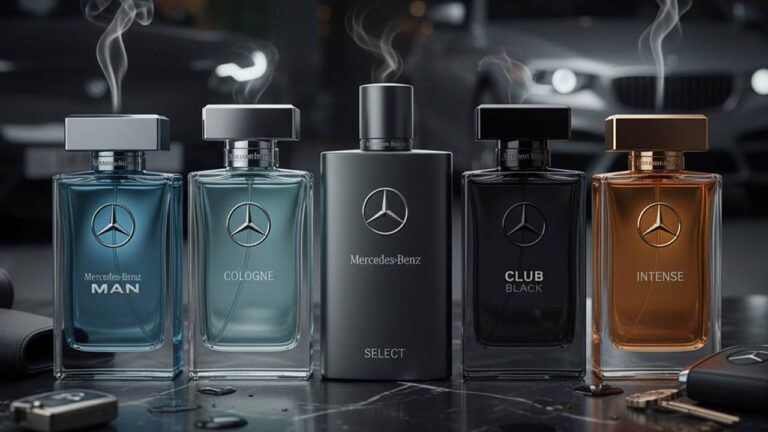
7 Best Mercedes Benz Perfumes For Men 2026
Mercedes-Benz isn’t just a symbol of automotive excellence—it’s also a name synonymous with refined luxury in the world of fragrances. In this guide to the…
-
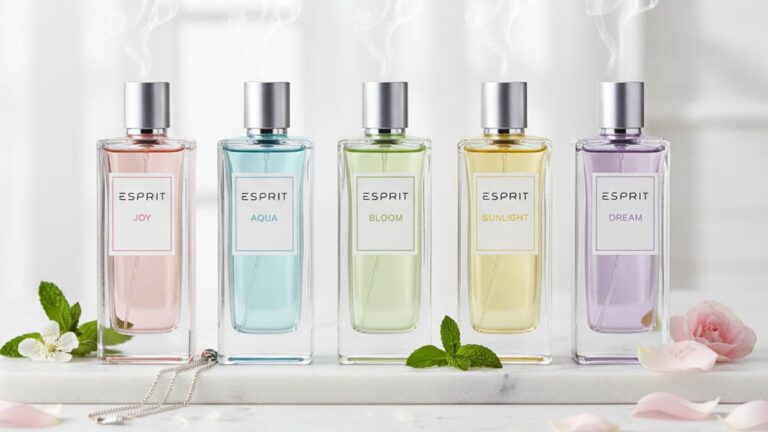
7 Best Esprit Perfumes For Women 2026
Esprit is known for its laid-back yet stylish approach to fashion, and its fragrances embody that same fresh, carefree spirit. The perfumes for women by…
-
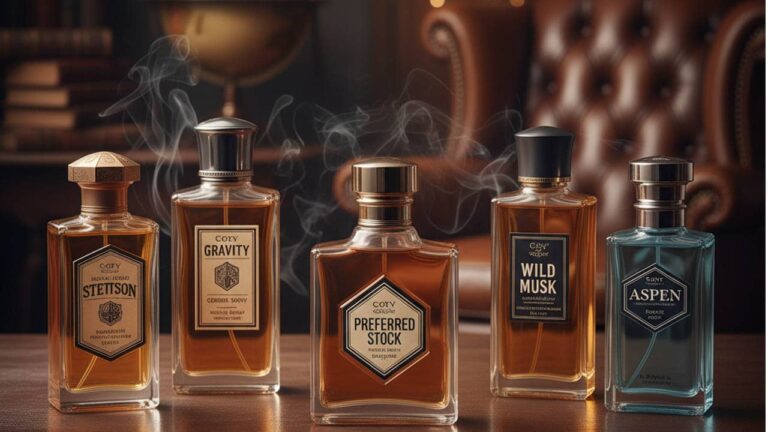
5 Best Coty Perfumes For Men 2026
Coty has been a pioneer in the fragrance industry for over a century, offering scents that combine timeless craftsmanship with modern appeal. Coty perfumes for…
-
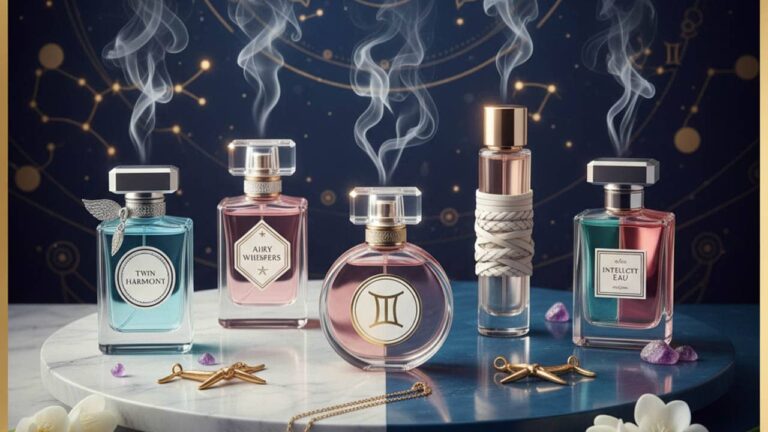
10 Best Perfumes for Gemini Women 2026
Gemini women are vibrant, curious, and endlessly versatile, the social butterflies of the zodiac. Their ideal fragrances reflect their playful energy and dual nature, offering…
-
10 Best Taurus Perfumes For Women 2026
Taurus women are celebrated for their sensuality, love of beauty, and appreciation for life’s finest pleasures. Taurus perfumes often feature earthy notes, such as patchouli…
-
20 Best Floral Perfumes For Women 2026
Floral perfumes are the essence of feminine fragrance, offering a wide range of scents, from delicate and airy bouquets to rich and intoxicating blends. In…
FAQ – Frequently Asked Questions
An Eau de Parfum has a higher concentration of oil, which makes it richer and helps it last about five hours. An Eau de Toilette is lighter and fresher, meaning it gives you a quick burst of scent but usually fades away after two or three hours.
Yes, dupes from reputable brands are completely safe. They use standard cosmetic ingredients just like mainstream perfumes.
The best trick is to spray your perfume right after you step out of the shower onto well-moisturized skin. Lotion creates a smooth base that traps the scent. Always aim for warm pulse points like your neck and wrists, and avoid rubbing your wrists together, as that friction breaks the scent down faster.
Yes, most perfumes start to turn after three to five years. You will know a bottle has expired if the liquid changes color or starts to smell a bit sour. To keep your collection fresh, get your bottles out of the humid bathroom and away from the sun.